 Call Us : 08045800070Call Us : 08045800070

 Send Inquiry
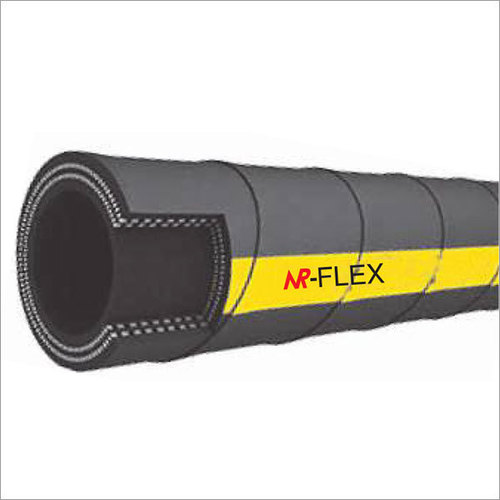
Chemical Hose
MOQ : 50 Meters
Chemical Hose Specification
- Size
- Available in sizes from 1/2 to 4 (12 mm to 100 mm)
- Thickness
- 3 mm to 6 mm
- Color
- Green, Black, Transparent
- Tensile Strength
- 12-15 MPa
- Temperature Resistance
- -20°C to +70°C
- Water Absorption
- Low
- Weight
- Depends on diameter and length
- Part Type
- Industrial Hose
- Surface Finish
- Smooth or fabric-texture outer
- Material
- PVC, synthetic rubber, reinforced with braided textile
- Thermal Conductivity
- Low
- Usage & Applications
- Suitable for conveying chemicals, acids, alkalis, and other corrosive substances in industrial, agricultural, and manufacturing settings.
- Components
- Tube, Reinforcement, Cover
- Product Type
- Chemical Hose
- Feature
- High chemical resistance, abrasion resistant, flexible, long-lasting
- Style
- Flexible hose
- Density
- 1.25 Gram per cubic centimeter(g/cm3)
- Hardness
- Shore A 65-75
- Length
- Available in standard lengths up to 30 m
- Rubber Type
- Synthetic
- Flame Resistance Level
- Limited
- Tolerance
- ±0.2 mm
- Diameter
- 12 mm to 100 mm (internal diameter)
- Resistance level
- Excellent resistance to acids, alkalis, and chemicals
- Service Life
- 5-10 years depending on usage conditions
- Flexibility
- Excellent
- Minimum Bending Radius
- 4 times the internal diameter
- Storage Advice
- Store away from direct sunlight and chemicals to prolong lifespan
- Packaging
- Standard roll, coil, or custom-cut lengths
- Burst Pressure
- Up to 50 Bar
- End Connections
- Can be supplied with flanges, threaded couplings, or camlock fittings as required
- UV Resistance
- Yes
- Working Pressure
- 10-16 Bar
- Compliance
- Meets IS/BS standards where applicable
- Ozone Resistance
- Good
- Reinforcement Type
- High tensile synthetic textile braid
Chemical Hose Trade Information
- Minimum Order Quantity
- 50 Meters
- Supply Ability
- , , Meter
- Delivery Time
- 1 Week
Chemical Hose About
Chemical Hose
CONSTRUCTION:
- Tube: Black. Specially Compounded EPDM
- Reinforcement: One / Two textile braids wire braid.
- Cover: High Tenacity Synthetic Yarn
- Temperature Range : Medium From -40C up to+100C
APPLICATIONS: Recommended for conveying dilute chemicals e.g. Alum Liquor. Caustic Soda, Lime Solutions, Dilute Hydrochloric Acid, Dilute Sulphuric Acid, Methyl Alcohol, Ethyl Alcohol, Butyl Alcohol, Isobutanol, etc.
Specification
| Hose ID | Type 1 | Type ll | |||
| Inch | mm | Working pressure (BAR) | Burst Pressure (BAR) | Working pressure (BAR) | Burst Pressure (BAR) |
| 1/2 | 12 | 1.6 | 3.15 | 2 | 4 |
| 3/4 | 20 | 1.6 | 3.15 | 2 | 4 |
| 1 | 25 | 1.6 | 3.15 | 2 | 4 |
| 11/4 | 32 | 1.6 | 3.15 | 2 | 4 |
| 11/2 | 38 | 1.6 | 3.15 | 2 | 4 |
| 2 | 50 | 1.6 | 3.15 | 2 | 4 |
Engineered for Durability and Chemical Resistance
This flexible chemical hose is built with high tensile synthetic textile reinforcement and robust synthetic rubber, ensuring superior resistance to acids, alkalis, and corrosive substances. The material blend, combined with excellent abrasion and ozone resistance, provides a long service life, even in challenging industrial settings. Its available in various thicknesses and diameters, offering both reliability and versatility.
Versatile Applications Across Industries
Designed for versatility, this chemical hose can be used to convey chemicals, acids, and alkalis in various industries such as agriculture, manufacturing, and processing plants. Its flexibility allows for easy installation, while the customizable end connectionsflanges, threaded couplings, or camlock fittingsaccommodate different operational setups. It complies with key industry standards, ensuring safety and performance.
Flexible Options and Easy Handling
With a minimum bending radius of just four times the internal diameter and an available length up to 30 meters, this hose adapts effortlessly to your facility layout. It boasts low water absorption, good thermal resistance, and options in surface finish (smooth or fabric-texture). Storage and handling are convenient, thanks to its lightweight designwith packaging options including standard roll, coil, or custom cut lengths.
FAQs of Chemical Hose:
Q: How should I store the chemical hose to maximize its lifespan?
A: Store the hose away from direct sunlight, chemicals, and extreme temperatures. A dry, indoor location is ideal. This prevents degradation from UV exposure and chemical contact, which helps extend the service life up to 510 years depending on usage conditions.Q: What are the recommended applications for this flexible chemical hose?
A: This hose is suitable for conveying a wide range of chemicals, including acids and alkalis, in industrial, manufacturing, and agricultural environments. Its excellent chemical and abrasion resistance make it ideal for the safe handling of corrosive substances in demanding operational settings.Q: When should I consider replacing the chemical hose?
A: Inspect the hose regularly for signs of wear, damage, or reduced flexibility. Replacement is recommended every 510 years or sooner if the hose exhibits significant signs of aging, such as cracks, bulges, or leaks, to ensure optimal performance and safety.Q: Where can the hose be used for installationindoors or outdoors?
A: This hose can be installed both indoors and outdoors, thanks to its good ozone and UV resistance. Its robust construction withstands harsh weather conditions, making it reliable for outdoor setups as well as indoor industrial environments.Q: What process is used for assembling end connections on the hose?
A: End connections such as flanges, threaded couplings, or camlock fittings can be factory-installed to meet specific requirements. Assembly is carried out according to IS/BS standards where applicable, ensuring a safe and secure connection tailored to your application.Q: What are the key benefits of using this hose for chemical transfer?
A: Key benefits include high flexibility, excellent resistance to a broad range of chemicals, lightweight handling, and easy installation. Its robust construction ensures long-lasting durability, making it a cost-effective solution for chemical transportation needs.Q: How do I determine the correct hose size and type for my application?
A: Consider the chemical compatibility, operating pressure, temperature, and installation environment. Select from available internal diameters (12 mm to 100 mm) and lengths (up to 30m). Consult with the supplier for guidance on end connections and compliance with relevant standards for your operation.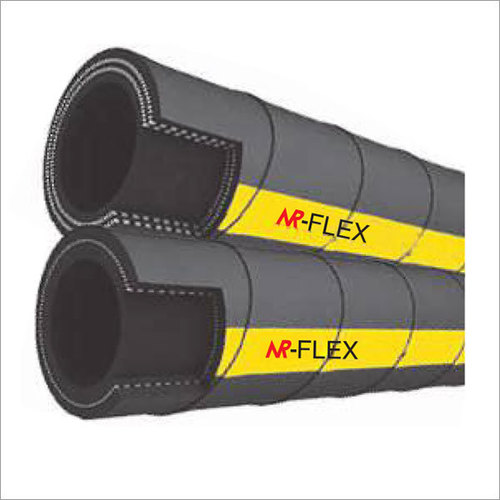
Tell us about your requirement

Price:
Quantity
Select Unit
- 50
- 100
- 200
- 250
- 500
- 1000+
Additional detail
Mobile number
Email

More Products in Rubber Hose Category
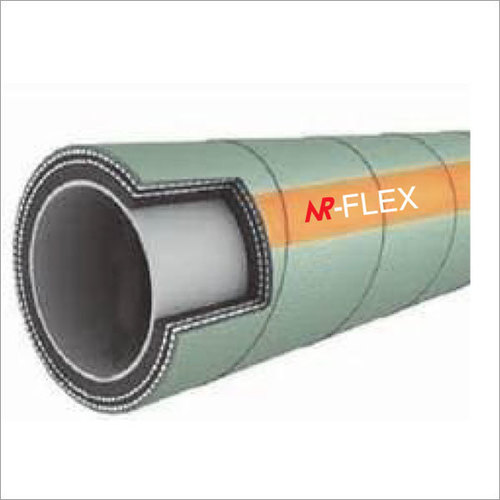
Carbon Free Hose
Minimum Order Quantity : 50 Meters
Material : Nonconductive rubber compound (carbonfree), reinforced with synthetic fibers/steel wire
Natural Rubber : Yes, reinforced with synthetic fabric/steel wire
Usage & Applications : Used for transferring electrical cables, hydraulic fluids and cooling in furnace and foundry operations; ideal for environments requiring nonconductive hoses
Feature : Heat resistant, nonconductive, abrasion resistant, long life
Product Type : Carbon Free Hose
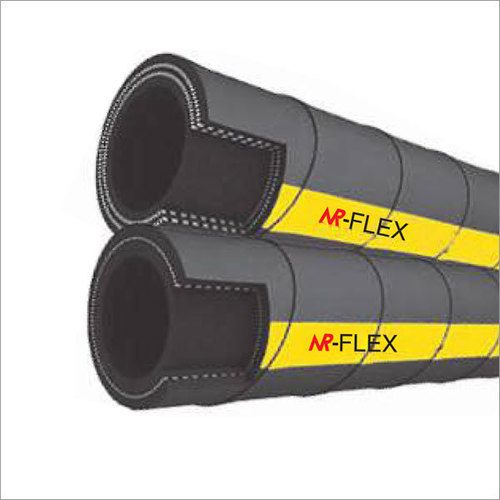
Rubber Air Hose
Minimum Order Quantity : 50 Meters
Material : Synthetic and natural rubber blend with braided textile reinforcement
Natural Rubber : Yes, high grade rubber compound
Usage & Applications : Compressed air transfer in workshops, garages, construction sites, and pneumatic tools
Feature : Flexible, abrasionresistant, weatherresistant, oil mistresistant
Product Type : Rubber Air Hose
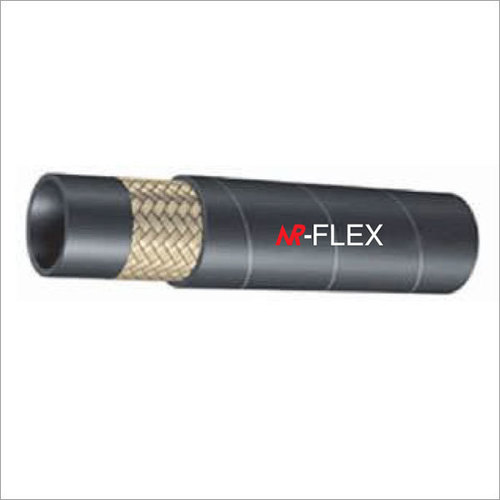
Air - Rock Drill Rubber Hose
Minimum Order Quantity : 50 Meters
Material : Rubber (Natural/SBR Blend with Reinforced Textile or Synthetic Yarn)
Natural Rubber : Yes, highquality natural and synthetic blend
Usage & Applications : Used for pneumatic tools, rock drilling operations, and construction sites to deliver compressed air.
Feature : Flexible, Abrasion Resistant, Durable, High Pressure withstanding, Oil and Weather Resistant
Product Type : Rubber Hose
SAE 100 R3 / EN854
Minimum Order Quantity : 1000
Material : Inner tube: NBR synthetic rubber; Reinforcement: Two textile braids; Outer cover: SBR/NBR synthetic rubber
Natural Rubber : Blend of synthetic rubber (NBR) and natural rubber
Usage & Applications : Hydraulic and low pressure industrial applications, petroleum or water based fluids conveyance
Feature : Flexible, abrasion and oil resistant, lightweight, easy to install
Product Type : Hydraulic Hose

"We accept inquiries only for bulk orders."
Address
GST : 08AAHPJ8821H1ZK
- F-49/50, RIICO INDUSTRIAL AREA CHOPANKI, BHIWADI,Alwar - 301019, Rajasthan, India
- Phone :08045800070
- Send Inquiry
 Send Inquiry
 Send Inquiry
 Send SMS
 |
NATIONAL RUBBER INDUSTRIES
All Rights Reserved.(Terms of Use) Developed and Managed by Infocom Network Private Limited. |
