 Call Us : 08045800070Call Us : 08045800070

 Send Inquiry
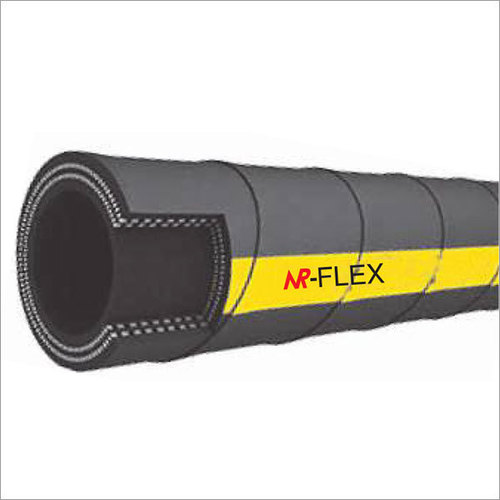
Fly Ash Hose
MOQ : 50 Meters
Fly Ash Hose Specification
- Product Type
- Flexible Fly Ash Hose
- Thermal Conductivity
- Low
- Feature
- Highly abrasion resistant, reinforced construction, kink resistant
- Resistance level
- High resistance to abrasion and wear
- Thickness
- 6 mm to 12 mm
- Weight
- Variable as per size and length
- Components
- Inner tube, reinforcement, external cover
- Surface Finish
- Textured/corrugated outer, smooth inner
- Flame Resistance Level
- Flame retardant (optional grade available)
- Natural Rubber
- Available on request (special grade blend)
- Part Type
- Hose assembly
- Style
- Smooth bore, corrugated outer cover
- Usage & Applications
- Fly ash handling, bulk material transfer, cement plants, pneumatic conveying systems
- Color
- Black
- Water Absorption
- Negligible
- Temperature Resistance
- -30°C to +85°C
- Tensile Strength
- Above 10 MPa
- Density
- 1.5 Gram per cubic centimeter(g/cm3)
- Size
- 2 to 12 (varies as per requirement)
- Material
- Rubber (synthetic or natural), fabric, wire helix
- Compression Ratio
- 3:1
- Length
- Standard 6 m; available up to 20 m
- Tolerance
- As per IS standards
- Width
- Customizable
- Rubber Type
- Blend of synthetic/natural rubber
- Diameter
- 50 mm to 300 mm (custom options available)
- Hardness
- 60 ± 5 Shore A
- Minimum Bending Radius
- 5 × internal diameter
- Service Life
- Up to 5 years under recommended usage
- Burst Pressure
- Up to 30 bar (varies by size)
- Reinforcement Material
- Textile plies with embedded steel wire helix
- Conformance
- IS 1307, ISO 4639 guidelines
- Electrical Resistance
- Antistatic properties on request
- Packaging
- Coil or straight length
- Environment Compatibility
- Ozone and weather resistant
- End Fittings
- Flanged, plain, or as required
- Working Pressure
- 10-20 bar, depending on diameter
Fly Ash Hose Trade Information
- Minimum Order Quantity
- 50 Meters
- Supply Ability
- Meter
- Delivery Time
- 1 Week
Fly Ash Hose About
Fly Ash Hose
CONSTRUCTION:
- Tube: Natural/SBR Rubber compound having very high resistance to abrasion
- Reinforcement: Natural & Synthetic fabrics/GI wire
- Cover: Modified natural rubber having high resistance to weather & abrasion
- Temperature Range : Medium From -10C up to+100C .
- End Connection : Each length have soft ends or built in flanges fitted at the ends
APPLICATIONS:Dry Fly Ash Hose is widely used in Cement Plants for discharge of Ash. Hoses are fabricated with high tensile Nylon Fabric for heavy duty application. We offer customized Fly Ash discharge hoses in various sizes & length.
Specification
| Hose ID | Type 1 | Type ll | |||
| Inch | mm | Working pressure (BAR) | Burst Pressure (BAR) | Working pressure (BAR) | Burst Pressure (BAR) |
| 2 | 50 | 10 | 40 | 15 | 60 |
| 3 | 75 | 10 | 40 | 15 | 60 |
| 4 | 100 | 10 | 40 | 15 | 60 |
| 5 | 125 | 10 | 40 | 15 | 60 |
| 6 | 150 | 10 | 40 | 15 | 60 |
| 8 | 200 | 10 | 40 | 15 | 60 |
Highly Durable Design
Engineered for longevity, the hose is built with textile plies and an embedded steel wire helix, providing robust reinforcement against physical stresses. Its abrasion-resistant exterior and kink-resistant architecture make it suitable for continuous operation in harsh industrial environments, minimizing downtime and replacement needs.
Customizable and Versatile Application
With customizable widths, diameters, lengths, and end fittings, this hose adapts to varied requirements across cement plants, fly ash handling, and bulk material transfer systems. The smooth bore and corrugated outer cover ensure optimal flow while accommodating specific setup needs for pneumatic conveying and other industrial uses.
Safety and Compliance Assurance
The hose conforms to IS 1307 and ISO 4639 standards, ensuring top-tier safety, reliability, and quality. Optional antistatic and flame retardant features cater to environments where static discharge or fire risk is a concern. Ozone and weather resistance further enhance its suitability for outdoor or aggressive conditions.
FAQs of Fly Ash Hose:
Q: How does the Fly Ash Hose ensure safe transportation of abrasive bulk materials?
A: The hose incorporates a reinforced construction with textile plies and a steel wire helix, combined with highly abrasion-resistant rubber blends. This ensures safe transfer of fly ash and bulk materials while minimizing wear, preventing premature failure, and providing kink resistance during operation.Q: What is the recommended process for selecting the correct hose size and end fittings?
A: Select hose size and fittings based on diameter requirements (50 mm to 300 mm), pressure needs (10-20 bar working), and application criteria. Consult with the distributor or manufacturer to specify flanged, plain, or custom end fittings, ensuring compatibility with existing systems and process flows.Q: When should the hose be replaced to maintain optimal performance?
A: Under recommended usage and compliant with IS guidelines, the hose offers a service life of up to five years. Regular inspections for wear, pressure capacity, and bend radius should be performed, and replacement is advised if significant abrasion, loss of flexibility, or signs of degradation appear.Q: Where is the Fly Ash Hose commonly used?
A: This hose finds application in cement plants, fly ash handling facilities, pneumatic conveying systems, and bulk material transfer operations. Its weather and ozone-resistant properties make it suitable for both indoor and outdoor industrial environments across India and international markets.Q: How do antistatic and flame-retardant properties benefit industrial operations?
A: Antistatic and flame-retardant options help reduce the risk of static discharge and fire hazards in high-dust or electrically charged settings. These features contribute to safer working conditions, particularly in plants handling fine particulate matter and flammable materials.Q: What are the advantages of the hoses low water absorption and thermal conductivity?
A: Low water absorption prevents degradation and swelling, maintaining dimension stability, while low thermal conductivity ensures that the hose remains structurally sound when exposed to temperature variations. This leads to reliable performance, longer service life, and reduced maintenance requirements.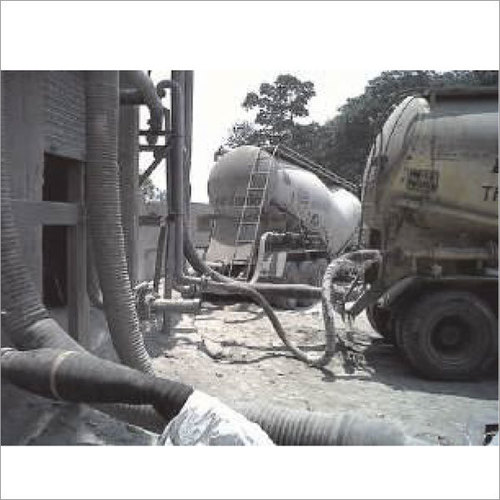
Tell us about your requirement

Price:
Quantity
Select Unit
- 50
- 100
- 200
- 250
- 500
- 1000+
Additional detail
Mobile number
Email

More Products in Rubber Hose Category
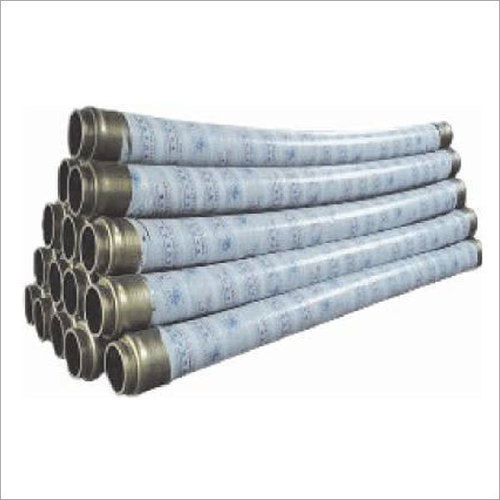
Rubber Hose for Conveying Concrete
Minimum Order Quantity : 50 Meters
Natural Rubber : High quality natural and synthetic rubber blend
Part Type : Hose Pipe
Style : Heavy Duty, Smooth or Corrugated Finish
Usage & Applications : Used for conveying concrete in construction sites, tunnels, bridges, dams and other infrastructure projects
Surface Finish : Smooth/Corrugated exterior as required
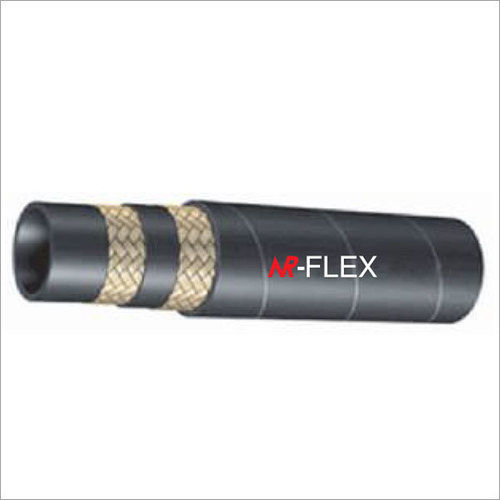
Wire Braid Hydraulic Hose
Minimum Order Quantity : 50 Meters
Natural Rubber : Blended with synthetic rubber (mainly NBR, SBR)
Part Type : Hydraulic Hose
Style : Reinforced
Usage & Applications : High pressure hydraulic systems, industrial and construction machinery, earthmoving equipment, mining machines, hydraulic oil delivery
Surface Finish : Smooth or wrapped
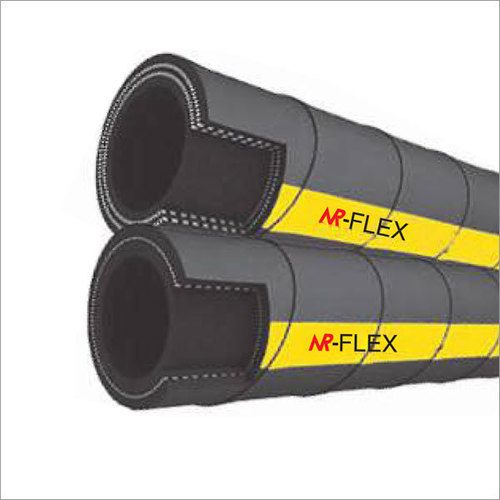
Rubber Air Hose
Minimum Order Quantity : 50 Meters
Natural Rubber : Yes, high grade rubber compound
Part Type : Air Hose
Style : Smooth finish with reinforced design
Usage & Applications : Compressed air transfer in workshops, garages, construction sites, and pneumatic tools
Surface Finish : Smooth, matte
SAE 100 R3 / EN854
Minimum Order Quantity : 1000
Natural Rubber : Blend of synthetic rubber (NBR) and natural rubber
Part Type : Industrial Hose
Style : Double fiber braid reinforced, nonmetallic
Usage & Applications : Hydraulic and low pressure industrial applications, petroleum or water based fluids conveyance
Surface Finish : Smooth or fabric impression finish

"We accept inquiries only for bulk orders."
Address
GST : 08AAHPJ8821H1ZK
- F-49/50, RIICO INDUSTRIAL AREA CHOPANKI, BHIWADI,Alwar - 301019, Rajasthan, India
- Phone :08045800070
- Send Inquiry
 Send Inquiry
 Send Inquiry
 Send SMS
 |
NATIONAL RUBBER INDUSTRIES
All Rights Reserved.(Terms of Use) Developed and Managed by Infocom Network Private Limited. |
